
If you’re planning to start an online business, you’ve probably come across two popular models: drop servicing and freelancing. Both allow you to earn money by offering digital services, and both can be started with minimal investment.
But here’s the real question: which one is actually better for beginners?
The answer isn’t as simple as picking one over the other. It depends on your goals, your mindset, and how you want to build your income. In this blog, we’ll break down both models in a clear and practical way so you can decide which path fits you best.
What Is Freelancing?
Freelancing means you sell your own skills directly to clients. You are the one doing the work, managing the project, and delivering the final output.
For example:
- You design logos for clients
- You write content or blogs
- You manage social media accounts
- You run ads or SEO campaigns
You get paid for your time and expertise.
What Is Drop Servicing?
Drop servicing is different. Instead of doing the work yourself, you sell services to clients and outsource the actual work to freelancers or agencies.
For example:
- You sell a website design service for $500
- You hire a freelancer to do it for $200
- You keep the profit
Your role is to manage the client and the project, not execute the service.
Key Difference Between Drop Servicing and Freelancing
The biggest difference is simple:
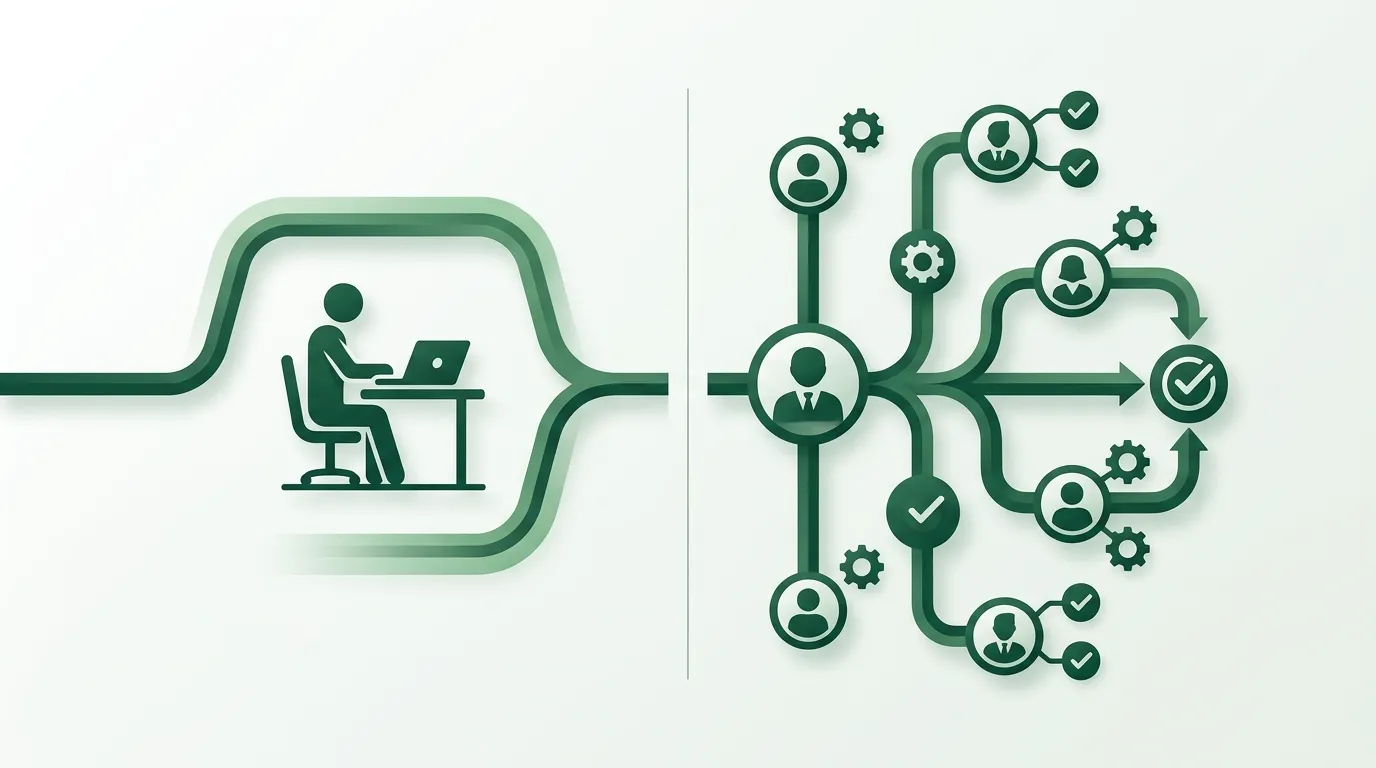
- In freelancing, you are the worker
- In drop servicing, you are the business owner
Freelancing is skill-based income, while drop servicing is system-based income.
Freelancing: Pros and Cons
Pros of Freelancing
1. Easy to Start
If you already have a skill, you can start immediately.
2. No Team Required
You don’t need to manage other people.
3. Direct Control Over Work Quality
You handle everything yourself.
4. Faster First Income
You can start earning quickly through freelance platforms.
Cons of Freelancing
1. Limited Income
You trade time for money. There’s a limit to how much you can earn.
2. Skill Dependency
If you don’t have a skill, you need to learn one first.
3. Burnout Risk
Handling multiple clients alone can become overwhelming.
4. Hard to Scale
Scaling requires hiring or turning into an agency.
Drop Servicing: Pros and Cons
Pros of Drop Servicing
1. No Skill Required
You don’t need to learn technical services.
2. High Profit Potential
You can charge clients more than your outsourcing cost.
3. Scalable Model
You can handle multiple clients at once.
4. Business Mindset
You focus on growth, not just execution.
Cons of Drop Servicing
1. Requires Management Skills
You need to manage clients and freelancers.
2. Quality Depends on Your Team
If your freelancer performs poorly, your reputation is affected.
3. Slower Start for Beginners
It may take time to build your first system.
4. Requires a Professional Website
Unlike freelancing platforms, you need your own setup.
Which One Is Better for Beginners?
Let’s break it down based on different scenarios.
If You Have a Skill
Freelancing is a great starting point. You can:
- Start quickly
- Earn immediately
- Build experience
But eventually, you may hit an income ceiling.
If You Don’t Have Any Skill
Drop servicing is a better option because:
- You don’t need technical expertise
- You can focus on selling and managing
- You can build a business from day one
If You Want Long-Term Growth
Drop servicing has more potential because:
- It’s scalable
- It can turn into an agency
- You are building a system, not just income
If You Want Quick Money
Freelancing is faster because:
- Platforms already have clients
- You don’t need a website initially
- You can start small and grow
Why Many Freelancers Shift to Drop Servicing
A common pattern you’ll notice is that many freelancers eventually move into drop servicing.
Why?
Because they realize:
- Their time is limited
- They can’t scale alone
- Managing clients is more profitable than doing the work
They start by outsourcing tasks and slowly transition into an agency model.
Role of a Website in Both Models
In freelancing, you can rely on platforms initially.
In drop servicing, your website is essential. It acts as:
- Your brand identity
- Your sales system
- Your client acquisition tool
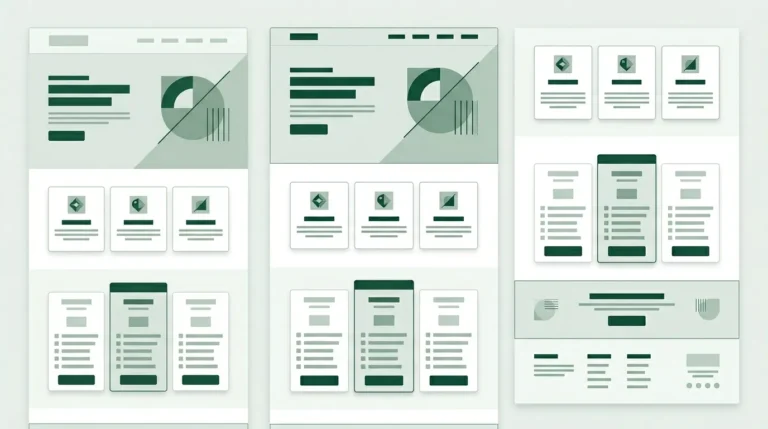
A professional website includes:
- Service pages
- Pricing plans
- Contact forms
- Payment integration
- Live chat
Instead of building from scratch, many beginners now use DFY websites to launch quickly:
https://dropservicesolutions.com/services/
Realistic Expectation for Beginners
Both models work, but neither is “easy money.”
You will need:
- Consistency
- Communication skills
- Patience
- Learning mindset
The difference is in how you grow.
Freelancing grows linearly.
Drop servicing grows exponentially.
Best Strategy for Beginners
If you’re confused, here’s a smart approach:
Start with freelancing if you have a skill
Then transition into drop servicing once you understand the market.
OR
Start directly with drop servicing if you want to build a business
Focus on sales, systems, and outsourcing.
Final Thoughts
There is no one-size-fits-all answer. Both freelancing and drop servicing are powerful ways to start earning online.
Freelancing is perfect for skill-based income and quick entry. Drop servicing is ideal for building a scalable business without doing the work yourself.
The key is to choose the model that aligns with your current situation and long-term goals.
If your goal is freedom, scalability, and building a real agency, drop servicing offers a bigger opportunity. But if you want to start quickly and learn by doing, freelancing is a great first step.